Snoring isn't just a nighttime nuisance. It can be a sign of a more serious underlying threat to your sleep, your health, and the sleep of those around you. Left unaddressed, chronic snoring and sleep apnea can contribute to fatigue, high blood pressure, and other long-term health concerns.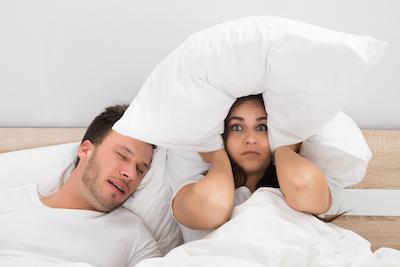
Understanding Sleep Apnea and Snoring
Snoring occurs when the airway is partially blocked during sleep, causing vibrations as air passes through. The sound of these vibrations is what we know as snoring.
With obstructive sleep apnea, the issue goes a step further, with the soft tissue in the throat fully collapsing during sleep, causing frequent brief breathing stoppages throughout the night. Left untreated, obstructive sleep apnea has been linked to daytime fatigue, irritability, cognitive issues, high blood pressure, and stroke.
At Doug Booth, D.D.S., we're proud to offer NightLase® snoring treatment. This gentle, non-invasive laser therapy helps reduce snoring and improve sleep quality without a bulky CPAP machine or an oral appliance to sleep with every night.
Snoring, Sleep Apnea, and How We Can Help
Snoring and sleep apnea are related, but they're not always the same thing. Understanding the difference matters for finding the most effective treatment.
Is It Just Snoring, or Could It Be Sleep Apnea? Who Diagnoses It?
Snoring is a telltale sign of sleep apnea. However, not everyone who snores has sleep apnea, and not everyone with sleep apnea snores loudly. Snoring results from relaxed throat tissue. Sleep apnea is a more serious condition, as repeated pauses in breathing throughout the night can result in daytime fatigue, high blood pressure, and difficulty losing weight.
Dr. Doug Booth can evaluate your symptoms, discuss your sleep history, and help determine whether a referral for a sleep study is appropriate before recommending treatment. A formal sleep apnea diagnosis requires a sleep study, typically ordered by a physician or sleep specialist.

 Using a specialized laser, Dr. Booth very gently heats the collagen fibers within the soft palate and surrounding tissue. This heat stimulates the tissue, causing it to tighten and remodel over a series of treatments. The result is reduced excess vibration that causes snoring. The procedure itself is quick and comfortable, performed entirely in the office with no anesthesia, incisions, or downtime required.